Published on November 9, 2026
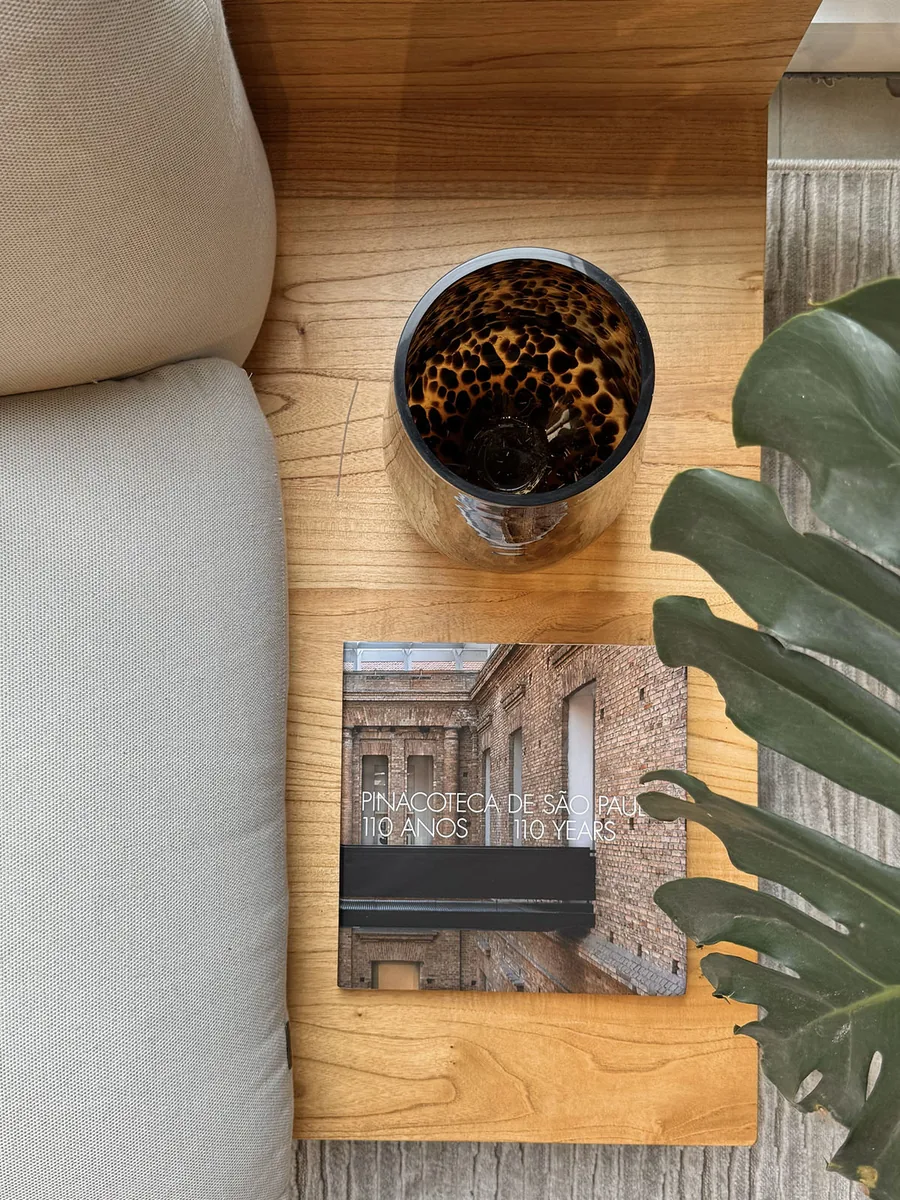
When we furnish a home, the conversation usually begins with shape: the size of the sofa, the design of the table, the height of the armchair. Yet in everyday life, it is the finish that defines how a piece feels. The touch of a fabric, the soft sheen of wood, the coolness of stone: all of it tells the story of a room before anyone sits down.
Lately we have noticed a growing interest in this more sensory layer of design. Instead of seeking visual impact alone, people want rooms that invite touch, with varied surfaces and a quiet palette. In this article we gather simple guidance for choosing finishes with confidence.
Start with the palette, not the piece
A good approach is to define a small set of materials for the entire home first: two woods at most, one or two main fabrics, one type of stone or cool surface, and an accent in leather or natural fiber. This foundation creates a shared language between rooms, and every new piece begins to speak with what is already there.
Soft, neutral tones such as sand, off-white, warm gray and tobacco work well as a backdrop. They let textures come forward, because the difference between linen, bouclé and velvet is clearer when color is not competing for attention.
Contrast of textures creates depth
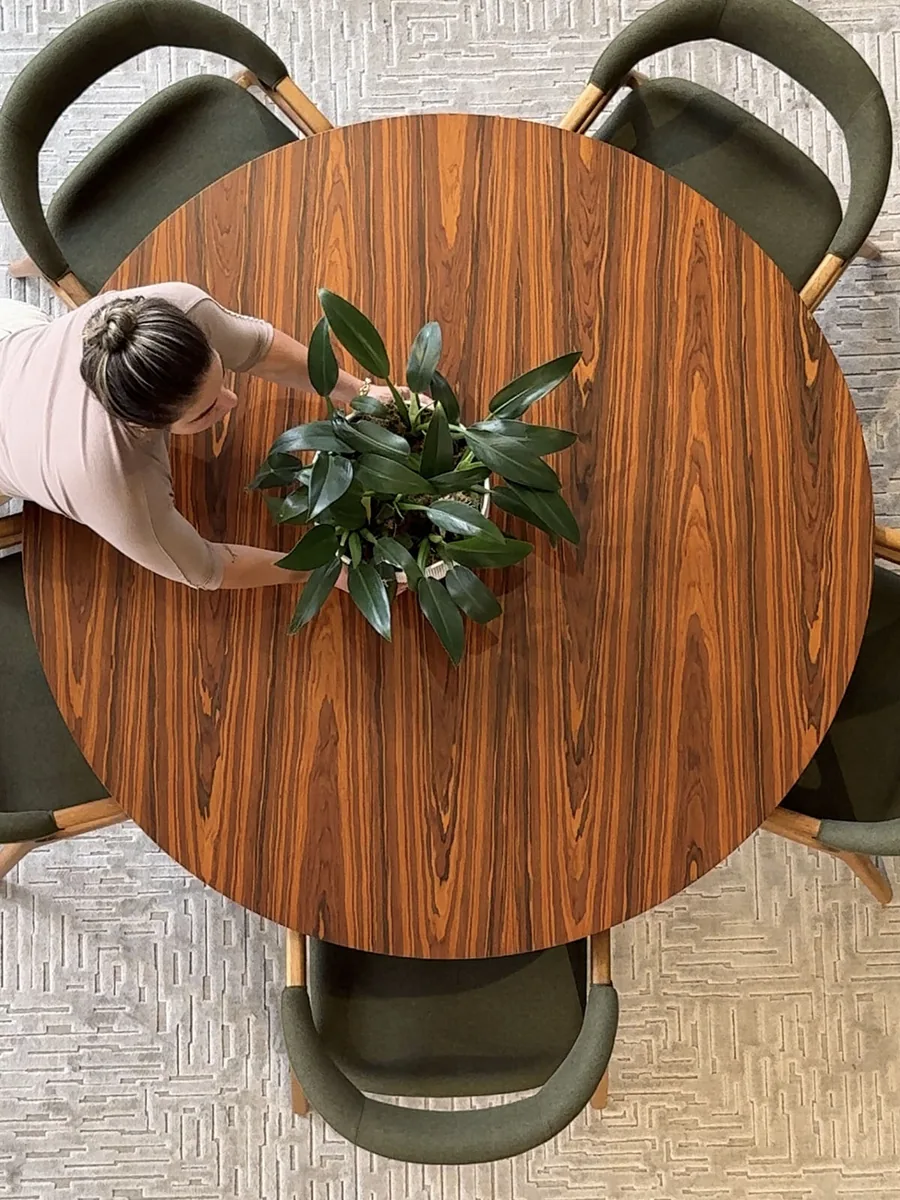
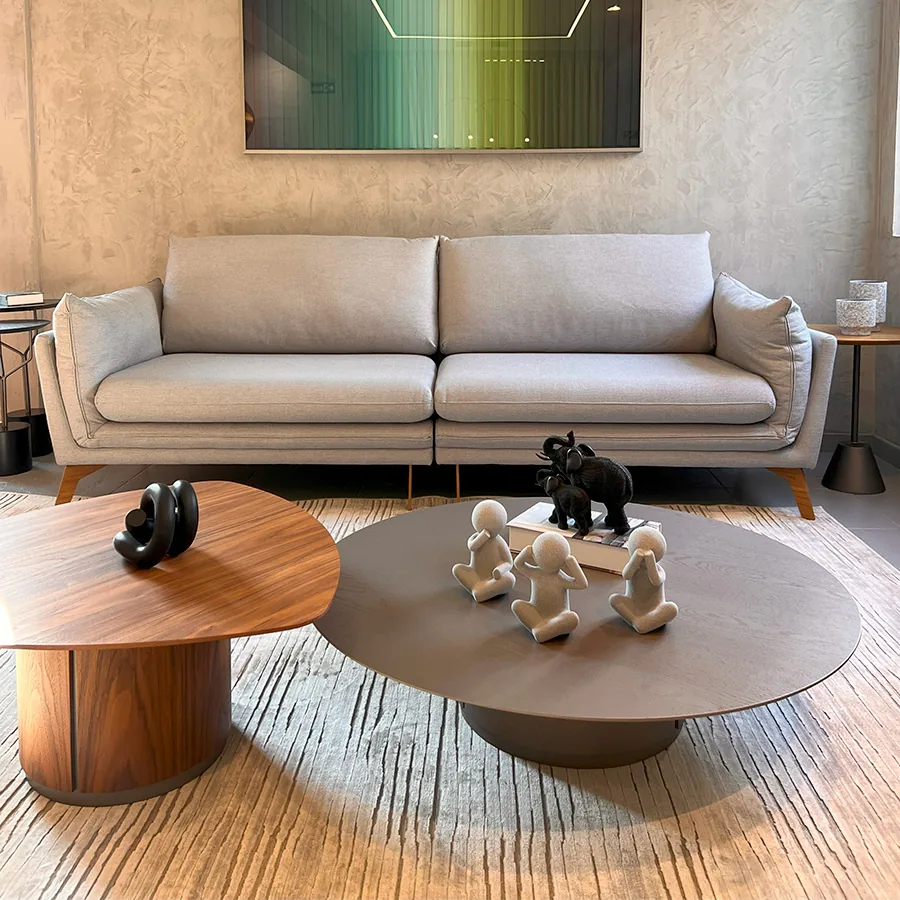
A room where everything is smooth tends to look flat; a room where everything is textured can feel tiring. Balance lies in contrast. A soft upholstered sofa gains presence beside a polished stone coffee table. A dining table in wood with marked grain feels warmer with natural-fiber chairs or fully bodied upholstery.
Rugs, cushions and throws are valuable allies, especially in colder seasons. They bring in wool, cotton and open weaves without requiring big decisions, and can change with the weather and the mood of the home. Handmade ceramics with irregular glazes complete the picture with an artisanal touch.
Fabric or leather: think about use
The choice between fabric and leather should start from your routine. Leather performs well in high-traffic areas and develops its own patina over time, something many people appreciate. Fabric offers more colors and patterns, and a lighter, cozier feel, especially in living rooms and TV rooms.
Look at the weave, the weight and the drape. A good velvet, for instance, falls naturally and has a sheen that shifts with the light. Always ask about composition, recommended use and cleaning. If possible, take samples home and see them in the morning, afternoon and evening, next to your floor, walls and curtains.
What you cannot see matters too
The comfort of a sofa or an armchair depends on far more than its surface. The cutting and fit of the foam, the inner frame and the stitching determine how a piece behaves with use and how well it keeps its shape. In handcrafted furniture this work is done with attention to every detail, and more responsible foams and materials are gaining ground.
That is a good reason to prefer made-to-order pieces: the finish can be considered together with seat density, depth and the way each family lives. The piece is born for that room, not the other way around.
Where to begin
If the task feels large, begin with one room. Choose the main piece, such as the sofa or the table, and build the palette of finishes around it. When testing, touch, sit, watch the light and picture the real routine of the home. A good finish is one that remains pleasant after months of use.
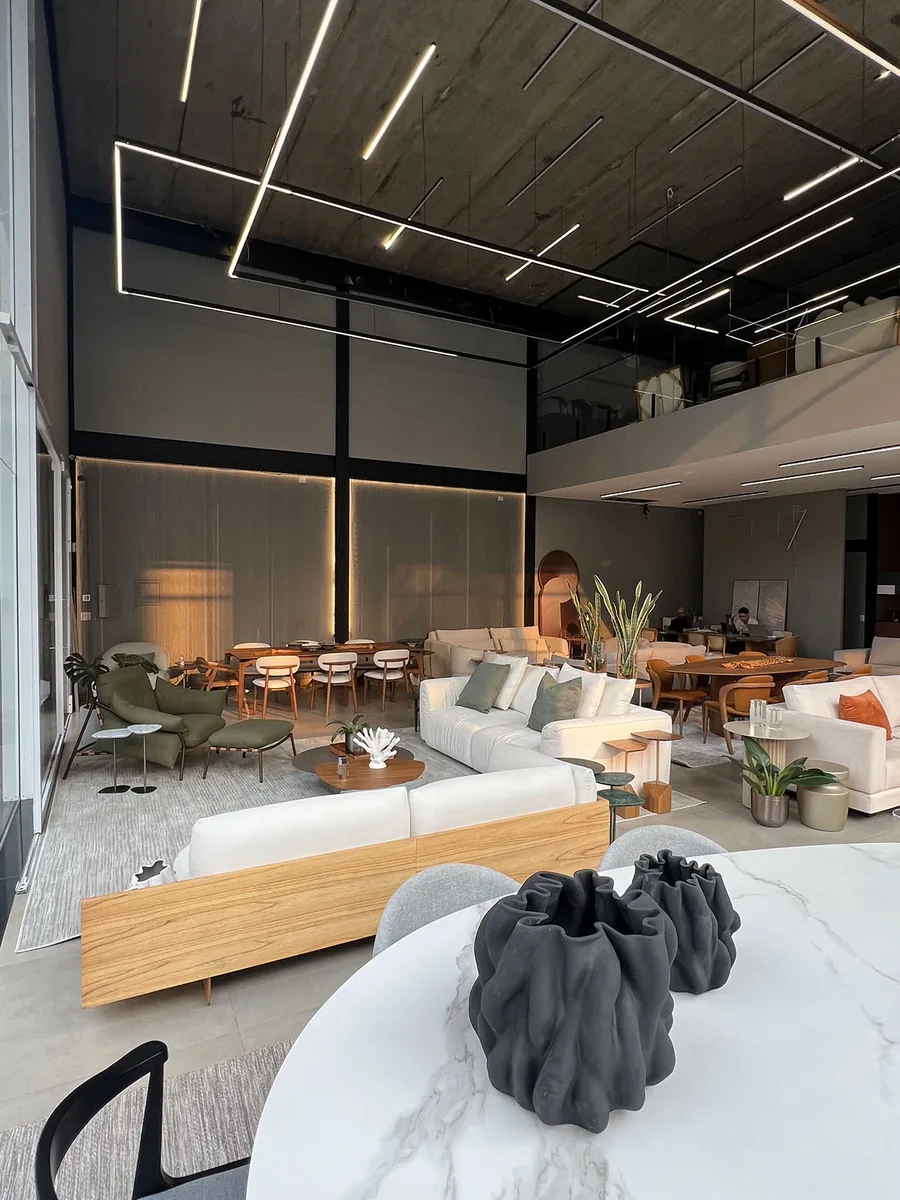
If you would like to touch and compare materials in person, we invite you to visit the Lyra showroom in Moema or to chat with a Lyra consultant on WhatsApp. We will be glad to help you think through your space, at your own pace.